Neuropsychological Evaluations
Comprehensive assessment of cognitive, emotional, and behavioral functioning when brain-based changes are suspected or evident.
Providing neuropsychological testing for Loudoun County and the greater Northern Virginia region.

What is a neuropsychological evaluation?
A neuropsychological evaluation involves tests that are sensitive to problems in brain function.
Unlike imaging studies such as CT or MRI scans that show brain structure, neuropsychological testing examines how well the brain is working when it performs certain functions, such as remembering things, speaking, or processing complex visual or conceptual information.
These functions or tasks form the necessary building blocks of successful living.

Purpose of a neuropsychological evaluation.
A neuropsychological evaluation provides comprehensive assessment of patients in whom impairments of cognitive or neuropsychiatric function are evident or suspected.
Assessment involves a systematic evaluation of higher cognitive abilities to identify possible problems with brain functioning. This helps lead to a diagnosis, identifies strengths and weaknesses, and guides the development of meaningful treatment programs and options. Updated (repeated) neuropsychological evaluations are useful for providing insights into changes in functioning over time.
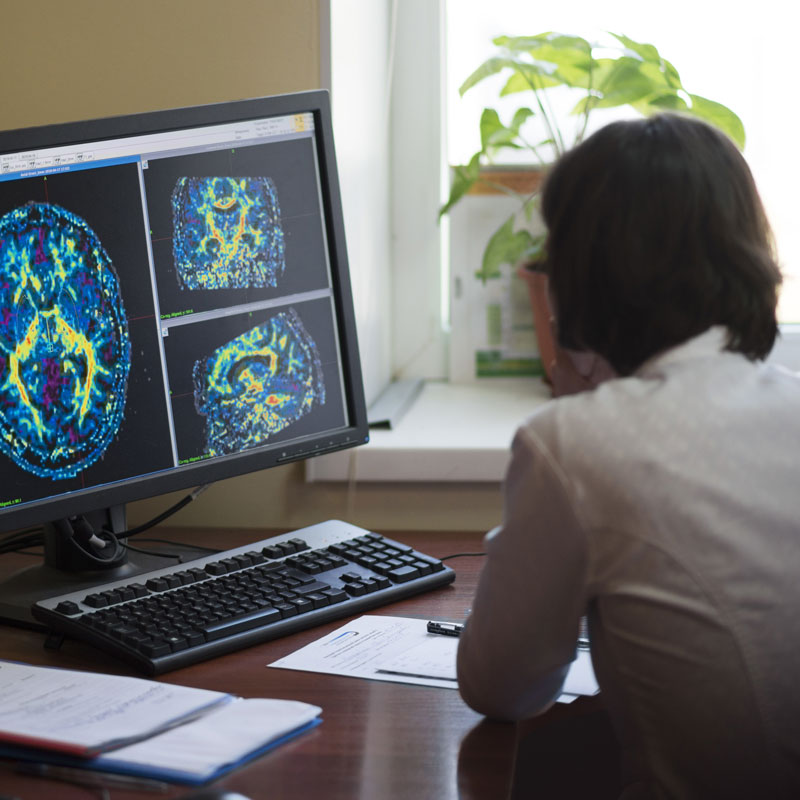
Improving MRI and CT scans.
Imaging studies like CT or MRI scans may not detect latent brain abnormalities that can impair many of these functions.
Neuropsychological assessments can reveal brain dysfunction when no structural abnormalities can be seen.
When structural abnormalities have been found, a good neuropsychological assessment provides a way to determine which functions may be impaired, the extent of any impairment, and possible treatment protocols (where appropriate).
Using LPS to conduct a neuropsychological assessment can help guide decisions on:
- Prognosis and disposition planning
- Rehabilitation
- Viability to return to work
- Independent living
- Establishing baselines and “new normal”
- Educational and vocational planning
LPS assesses for a wide spectrum of neurocognitive disorders including:
- ADHD
- Learning disorders
- Multiple sclerosis
- Post-concussive syndrome
- Traumatic brain injury
- Stroke
- Alzheimer’s
- Frontotemporal dementia
- Psychiatric disorders
- Epilepsy
- Brain tumors
We provide neuropsychological testing for Loudoun County and Northern Virginia
Testing is provided by trained and licensed clinicians who will also talk with you and your family about your medical, personal, and academic history. All assessments are prepared by licensed neuropsychologists.
LPS now offers neuropsychological testing in our Sterling, Virginia office. Testing is available Monday through Saturday by appointment.
Benefits of Neuropsychological Evaluations
Cognitive Clarity
Identify strengths and weaknesses across attention, memory, reasoning, and problem-solving.
Accurate Diagnosis
Differentiate between neurological, psychological, and emotional causes of symptoms.
Personalized Treatment
Inform individualized plans for therapy, medication, or cognitive rehabilitation.
Insight into Functioning
Understand how thinking patterns affect daily functioning, work, and relationships.
Baseline Measurement
Establish a cognitive baseline for monitoring changes over time or after treatment.
Brain-Behavior Connection
Clarify how brain injury, illness, or aging may be influencing mood and behavior.
Improved Self-Understanding
Empower individuals and families with knowledge to support daily coping strategies.
Informed Decisions
Provide objective data for medical, educational, or vocational recommendations.

Understand the Mind.
Enhance Daily Functioning.
Neuropsychological Evaluations provide insight into how brain function affects memory, attention, and behavior. Our comprehensive assessments guide treatment, support recovery, and help you make informed life and care decisions.
